How to Implement Individual Product Traceability
Written by

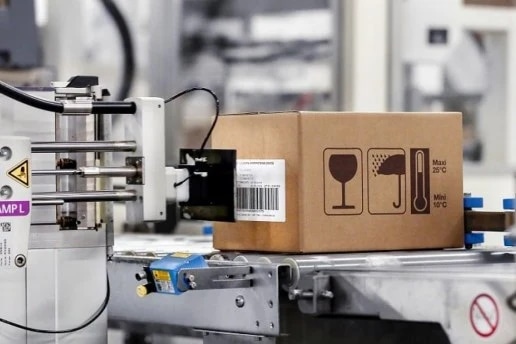
"I want to track products individually." A simple sentence — but when you add "How can I do this?", the process becomes far more complex. Tracking individual products requires careful consideration, planning and integration of multiple components.
The first essential rule of individual product traceability is assigning a unique code to each product. The initial analysis should focus on how the product will be marked and which technology will be used.
Question 1: Is the product's structure suitable for marking? Where should marking be applied?
Examine the product and collaborate with departments such as marketing, sales, quality, R&D and production to make a consolidated decision.
Question 2: Which operations require marking beforehand?
Think of traceability processes as a chain. You can start with a small traceability system and add new links as needed.
Question 3: Can the code on the product be carried through all operations?
While the product may allow marking at the first station, subsequent operations like ovens, painting or sanding may affect code readability. You must ensure the code remains readable throughout the production process.
Question 4: Which marking technology should be used?
Various technologies can be used: inkjet, thermal transfer, laser/carbon fibre printers, or RFID tags. Based on the analysis, you may need heat-resistant labels or high-powered laser printers. A holistic evaluation of cycle times, process flow, machine locations and space constraints is essential.
The second critical step is ensuring codes are scanned before each operation.
Meet Our End-to-End Traceability Solution
OnSuite Trace allows you to manage all your production processes from a single platform. We provide end-to-end digital traceability for your business with the motto "Continuous Control, Zero Defects".